
July 31, 2022 | ERP Systems
Tailored Efficiency: Exploring Bespoke ERP Systems
Tailored Efficiency: Exploring Bespoke ERP Systems
In today's dynamic business landscape, where adaptability and efficiency reign supreme, enterprises are constantly seeking innovative solutions to streamline their operations. One such solution that has gained significant traction is the implementation of Enterprise Resource Planning (ERP) systems. These integrated software solutions have revolutionized the way organizations manage their resources, from finances and human capital to supply chain and customer relations.
While ERP systems offer a plethora of benefits, off-the-shelf solutions might not always align perfectly with the unique requirements and processes of every business. This is where bespoke ERP systems come into play. Tailored to fit the specific needs of an organization, bespoke ERP systems offer unparalleled customization and flexibility, enabling businesses to optimize their workflows and drive growth like never before.
Understanding Bespoke ERP Systems
Bespoke ERP systems, also known as custom-built or custom-tailored ERP solutions, are designed from the ground up to meet the precise needs of a particular organization. Unlike off-the-shelf ERP software, which follows a one-size-fits-all approach, bespoke systems are built to integrate seamlessly with existing processes, workflows, and organizational structures.
The development of a bespoke ERP system typically begins with a comprehensive analysis of the organization's requirements, workflows, and pain points. This deep dive allows developers to gain insights into the intricacies of the business and identify areas where automation and optimization can make the most significant impact.
Advantages of Bespoke ERP Systems
Tailored to Specific Needs: Perhaps the most significant advantage of bespoke ERP systems is their tailor-made nature. By aligning closely with the unique requirements of the business, these systems can address specific challenges and facilitate smoother operations.
Enhanced Efficiency and Productivity: Custom-built ERP systems are designed to streamline workflows, automate repetitive tasks, and eliminate bottlenecks, leading to enhanced efficiency and productivity across the organization.
Scalability and Flexibility: As businesses grow and evolve, their requirements change accordingly. Bespoke ERP systems offer scalability and flexibility, allowing organizations to adapt the software to their changing needs without disrupting operations.
Integration Capabilities: Integration with existing systems and third-party applications is seamless with bespoke ERP solutions. This ensures a cohesive IT infrastructure and enables data exchange across various departments and processes.
Competitive Advantage: By leveraging a bespoke ERP system that is tailor-made to suit their needs, organizations can gain a competitive edge in their industry. The ability to optimize processes, make data-driven decisions, and respond swiftly to market changes can set businesses apart from their competitors.
Challenges and Considerations
While bespoke ERP systems offer numerous benefits, they also come with their own set of challenges and considerations.
Cost and Time: Developing a custom ERP solution can be a significant investment in terms of both time and money. Organizations need to weigh the upfront costs against the long-term benefits and ROI of the system.
Expertise and Resources: Building a bespoke ERP system requires specialized expertise in software development, as well as a dedicated team of developers, analysts, and project managers. Not all organizations have the internal resources or capabilities to undertake such a project.
Maintenance and Support: After the initial development phase, ongoing maintenance and support are essential to keep the bespoke ERP system running smoothly. This may require additional resources and expertise, either internally or through third-party vendors.
User Adoption and Training: Introducing a custom ERP system into an organization requires proper training and change management strategies to ensure smooth adoption by end-users. Resistance to change and unfamiliarity with the new system can hinder its effectiveness.
Conclusion
In an era where agility and efficiency are paramount, bespoke ERP systems offer a compelling solution for organizations looking to optimize their operations and stay ahead of the curve. By tailoring the software to fit their specific needs, businesses can unlock new levels of productivity, scalability, and competitiveness.
However, embarking on the journey of developing a bespoke ERP system requires careful planning, investment, and expertise. Organizations must weigh the benefits against the challenges and consider factors such as cost, time, and ongoing support before committing to such a project.
Ultimately, for those willing to invest in customization and innovation, bespoke ERP systems represent not just a software solution, but a strategic investment in the future success of the business.
By: Umbrella Solutions
More
July 31, 2022 | ERP Systems
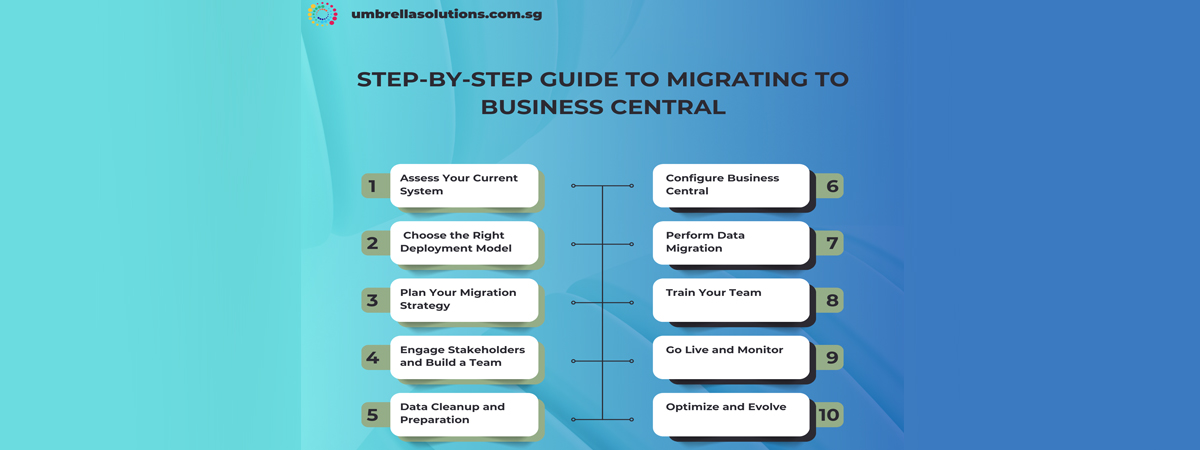
Migrating to Business Central

July 31, 2022 | ERP Systems
Unlocking Business Potential with Dynamics 365 Industry Solutions
July 31, 2022 | ERP Systems
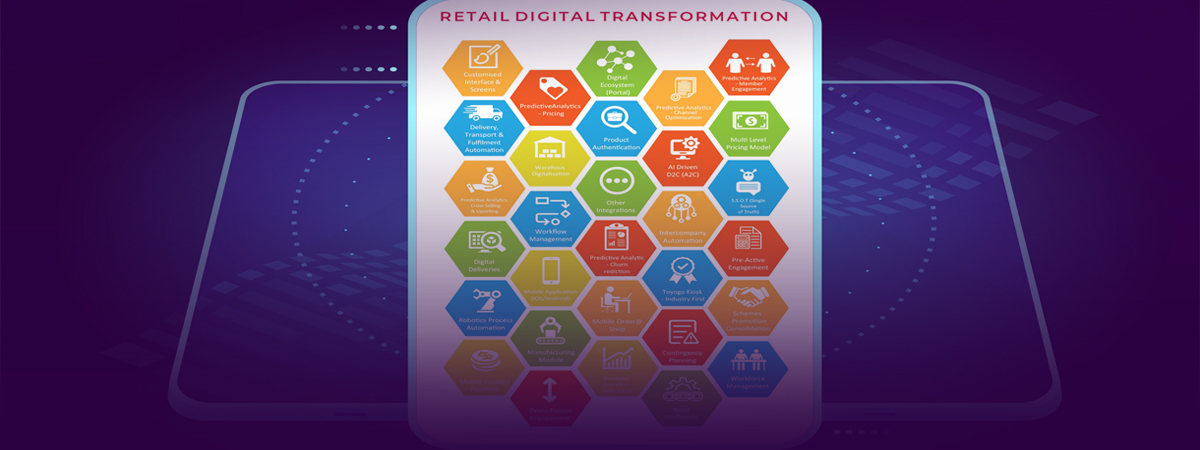
Empowering Enterprises: A Deep Dive into Microsoft Business Applications
July 31, 2022 | ERP Systems
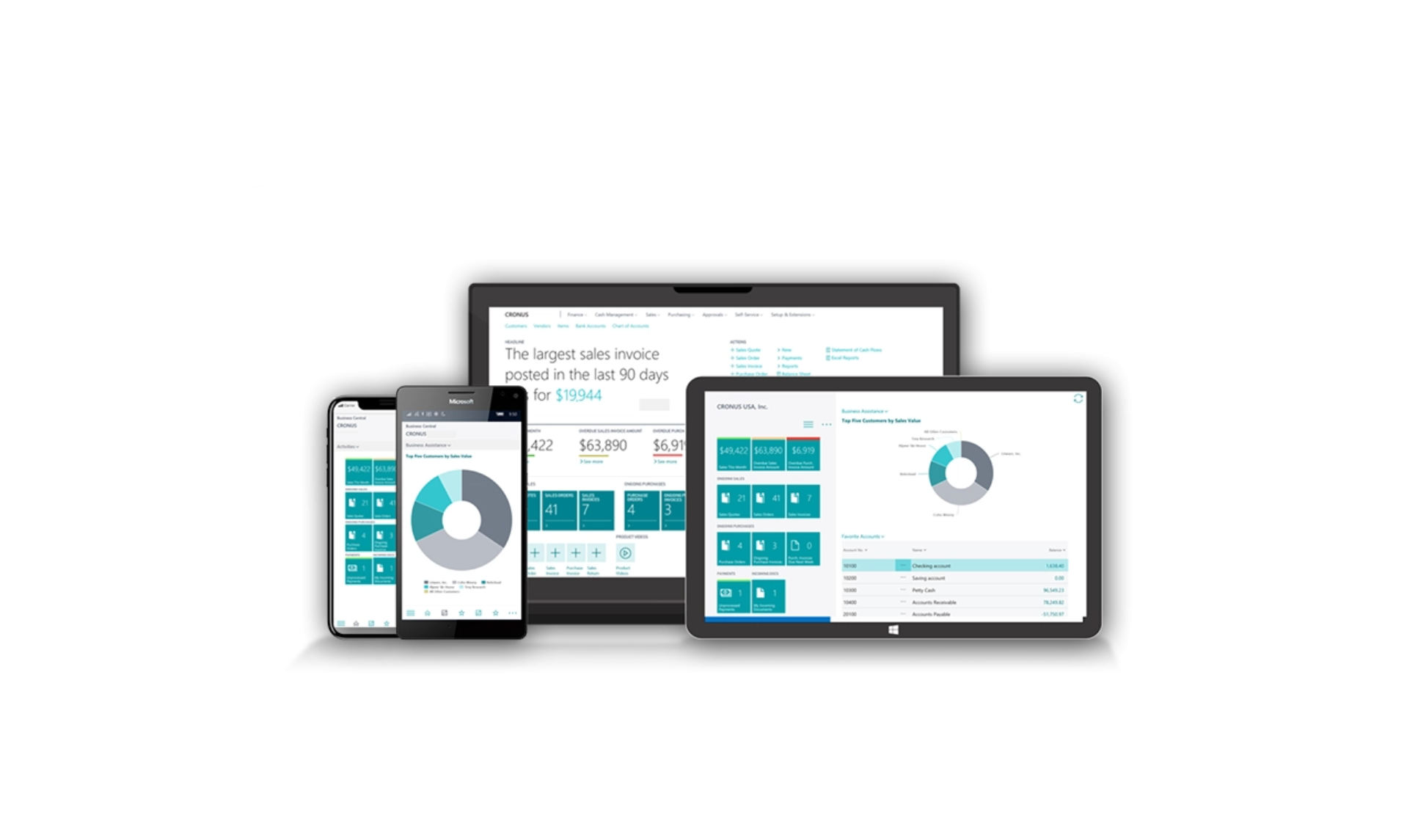
Unleashing Business Potential with Dynamics 365 Business Central

